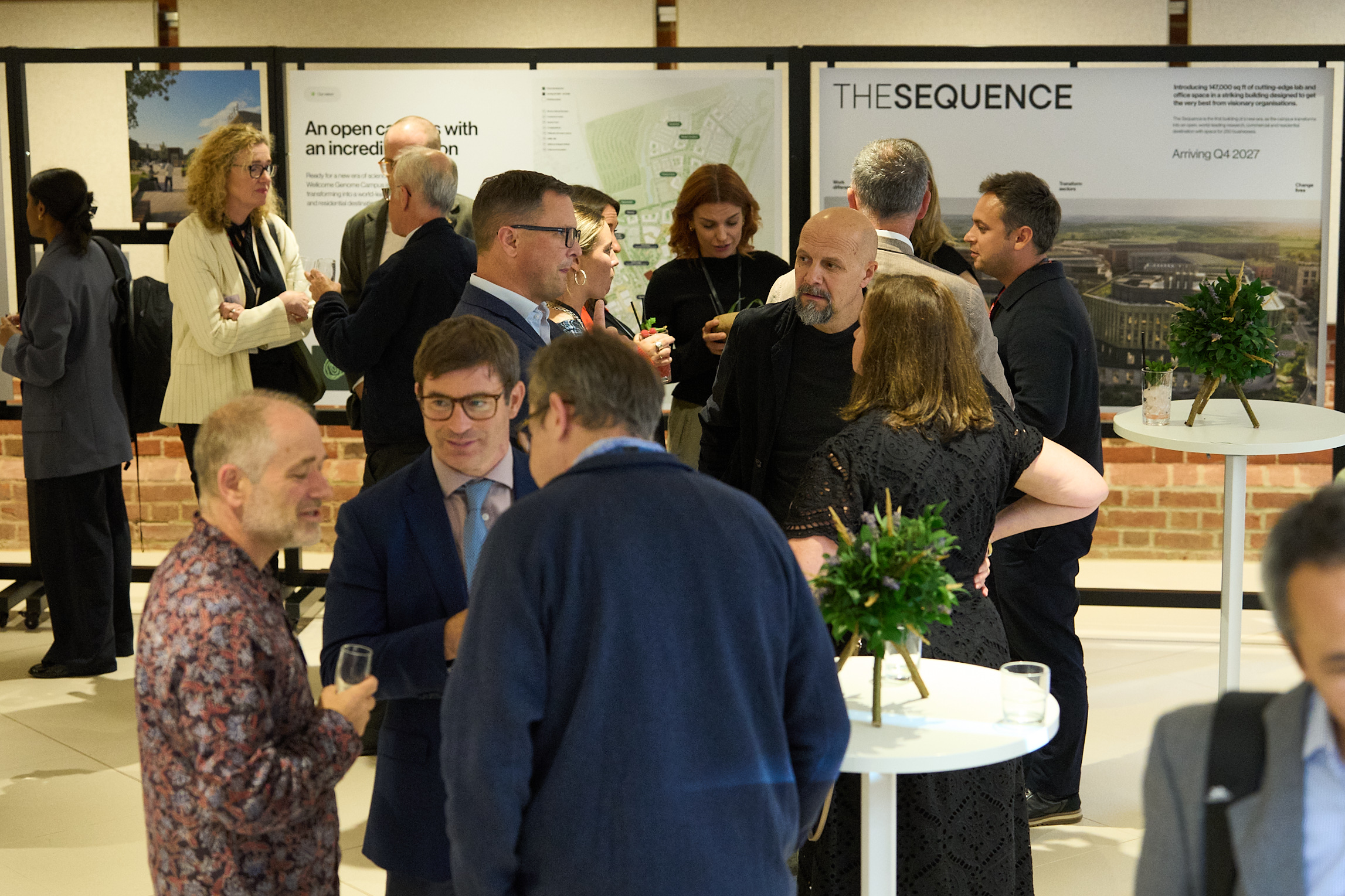
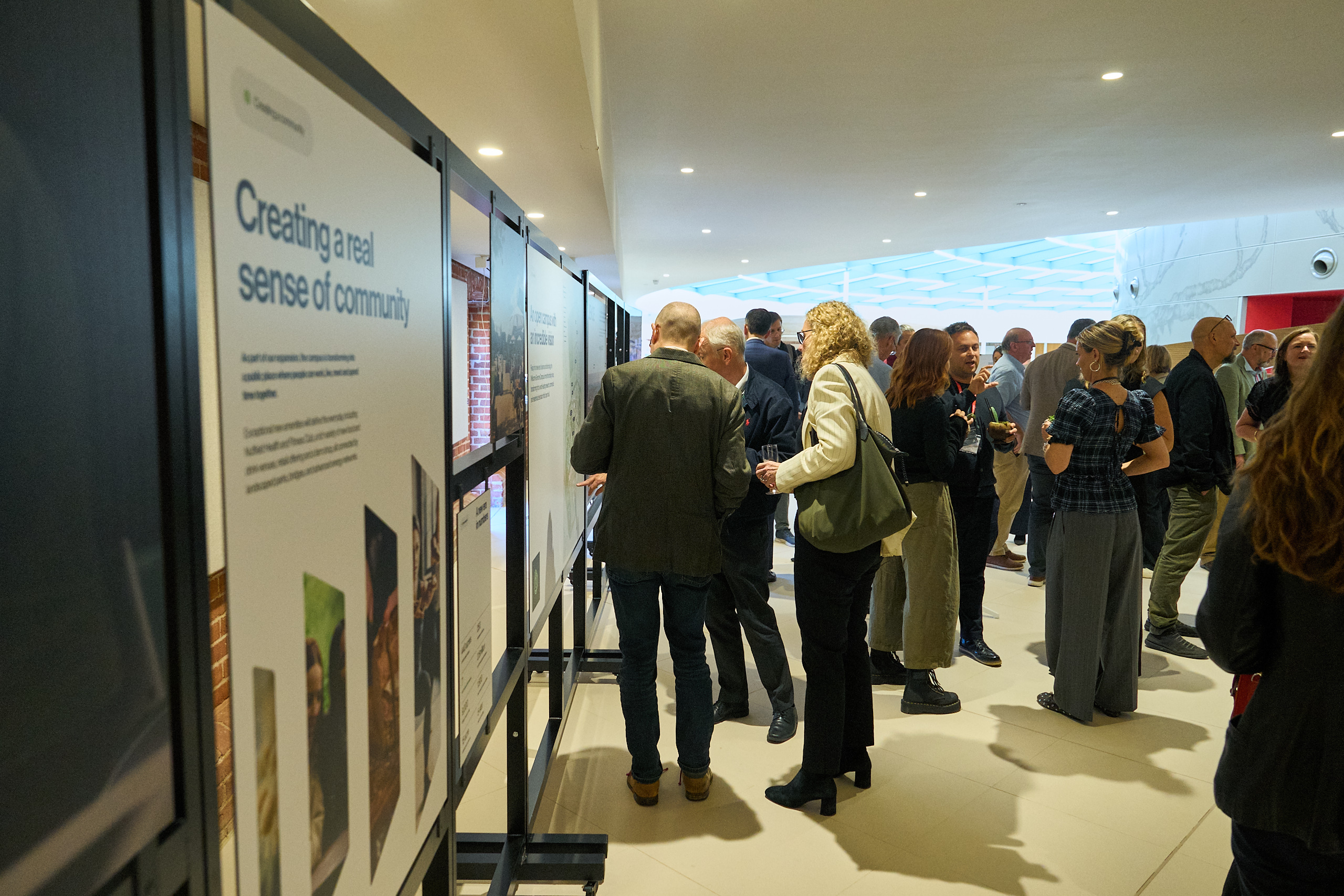
A remarkable scientific environment – with much more to come
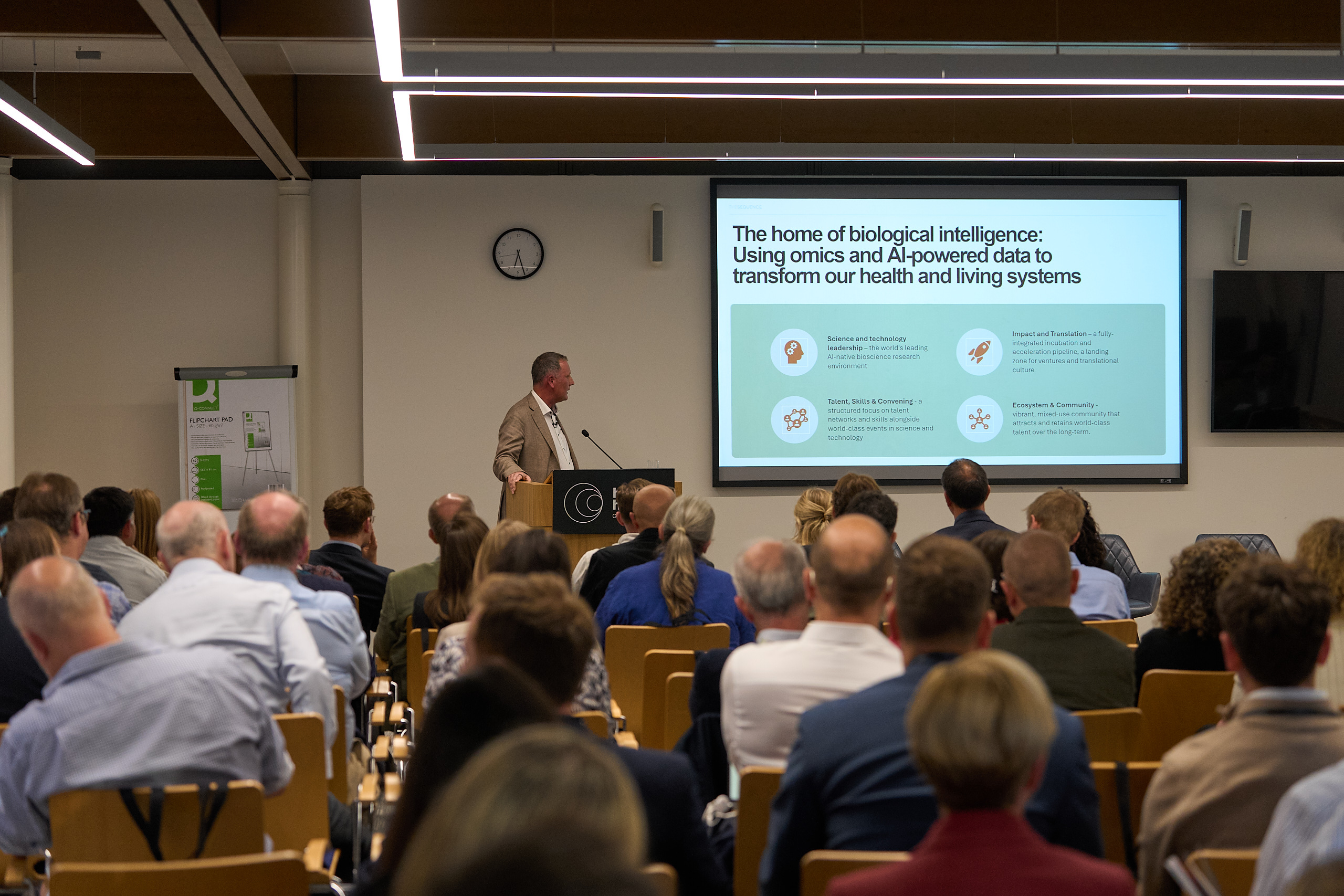
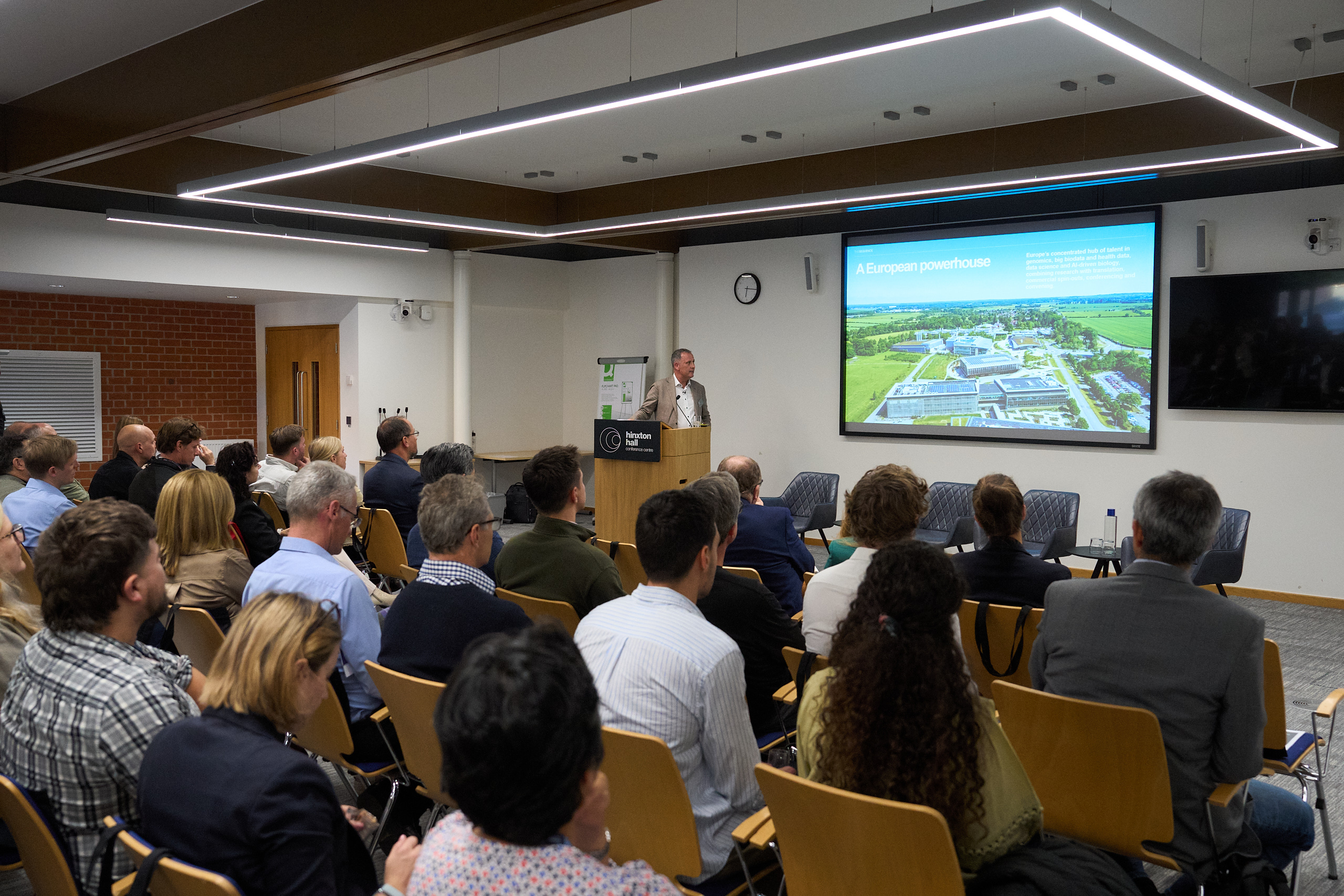
Robert Evans, Chief executive of Wellcome Genome Campus, opened the evening by setting out the scale of the opportunity.
Today, more than 2,200 people work at the Campus across organisations including the Wellcome Sanger Institute, EMBL-EBI and the Health Data Research Service (HDRS). Together, they bring extraordinary depth across genomics, biological data, health data, computational science and AI.
As Robert put it, no other campus brings together data generation, data curation and health data under one roof.
The expansion will build on those foundations. The Campus is growing from around 125 to 440 acres, creating new laboratories and workspace alongside homes, health and fitness, food and drink, public space, new infrastructure and a much more open Campus.
The Sequence is the first opportunity for new companies to become part of that next chapter.
From startup to scale-up
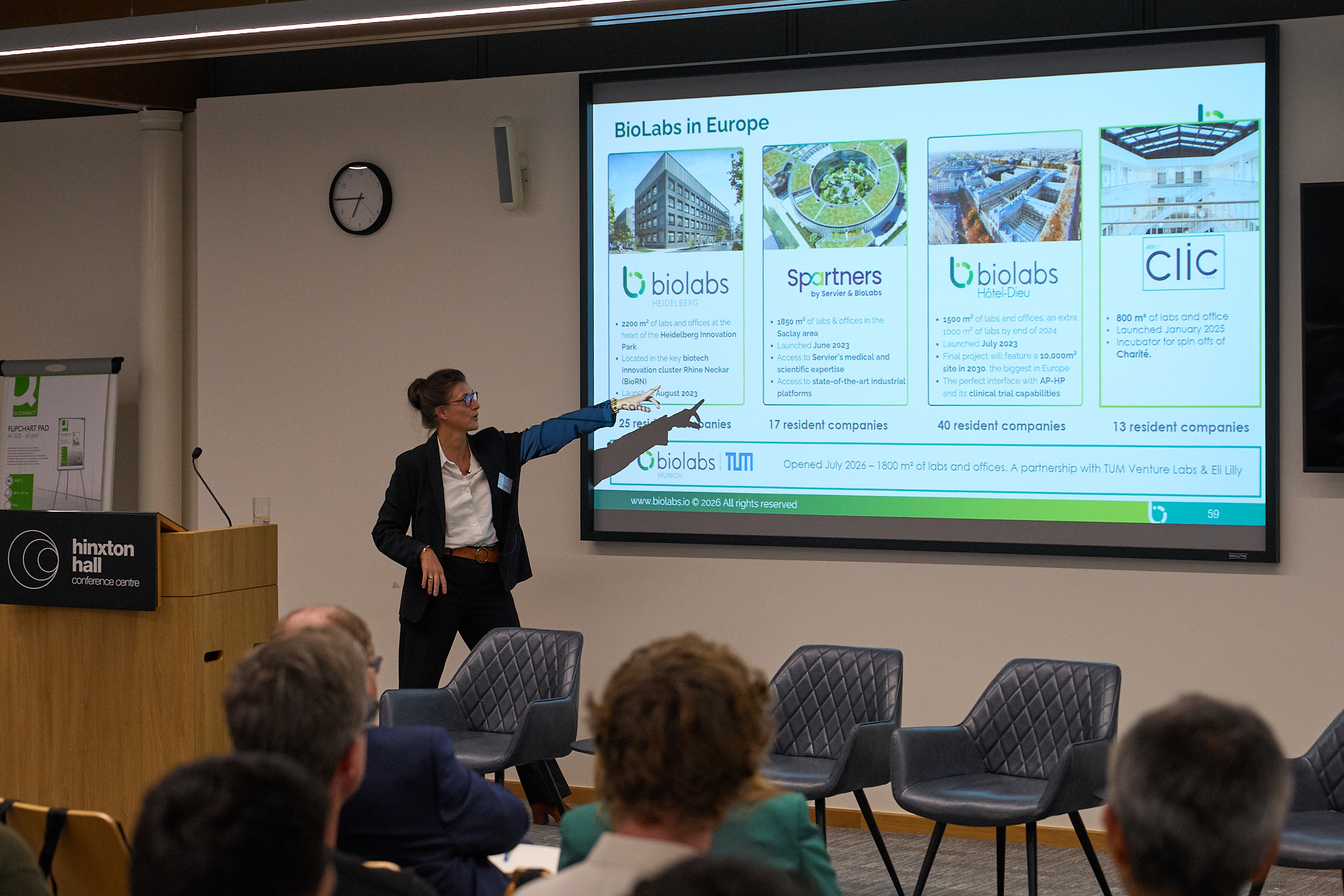
On the lower ground floor of The Sequence will be BioLabs, bringing its international incubator and accelerator model to the Campus.
Johanna Michielin, BioLabs’ Regional Director for Europe, explained that its role goes far beyond providing laboratory space. Founders get flexible, fully equipped labs alongside access to expertise, investors, industry partners and a global network of life science companies.
Across its network, BioLabs has supported more than 2,000 startups which have collectively raised more than $40 billion. At Wellcome Genome Campus, the ambition is to help companies thrive – giving them the space, support and connections to grow, scale and take their next step, on Campus or beyond.
What happens when science, data and technology collide?
The second half of the evening turned to the science itself.
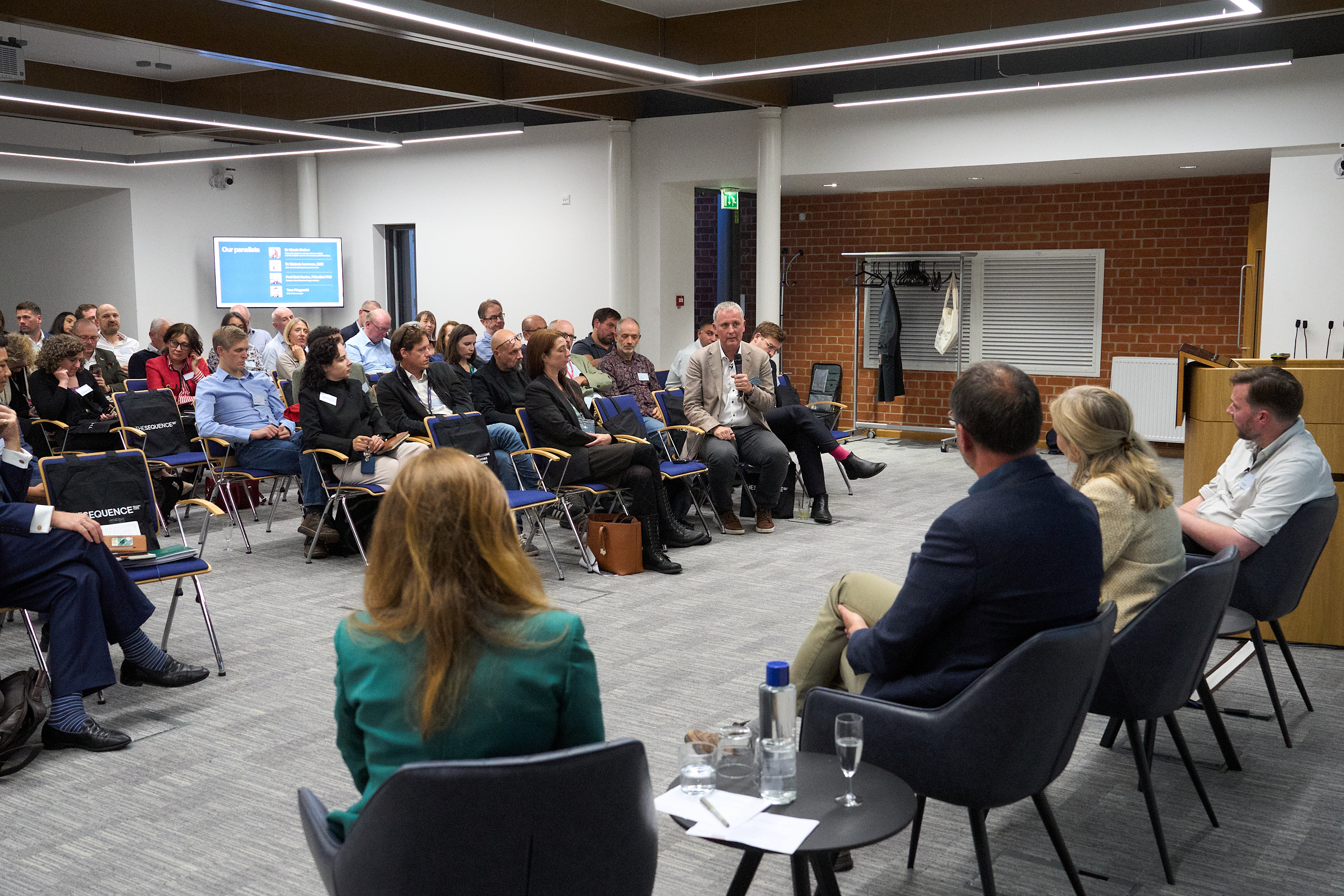
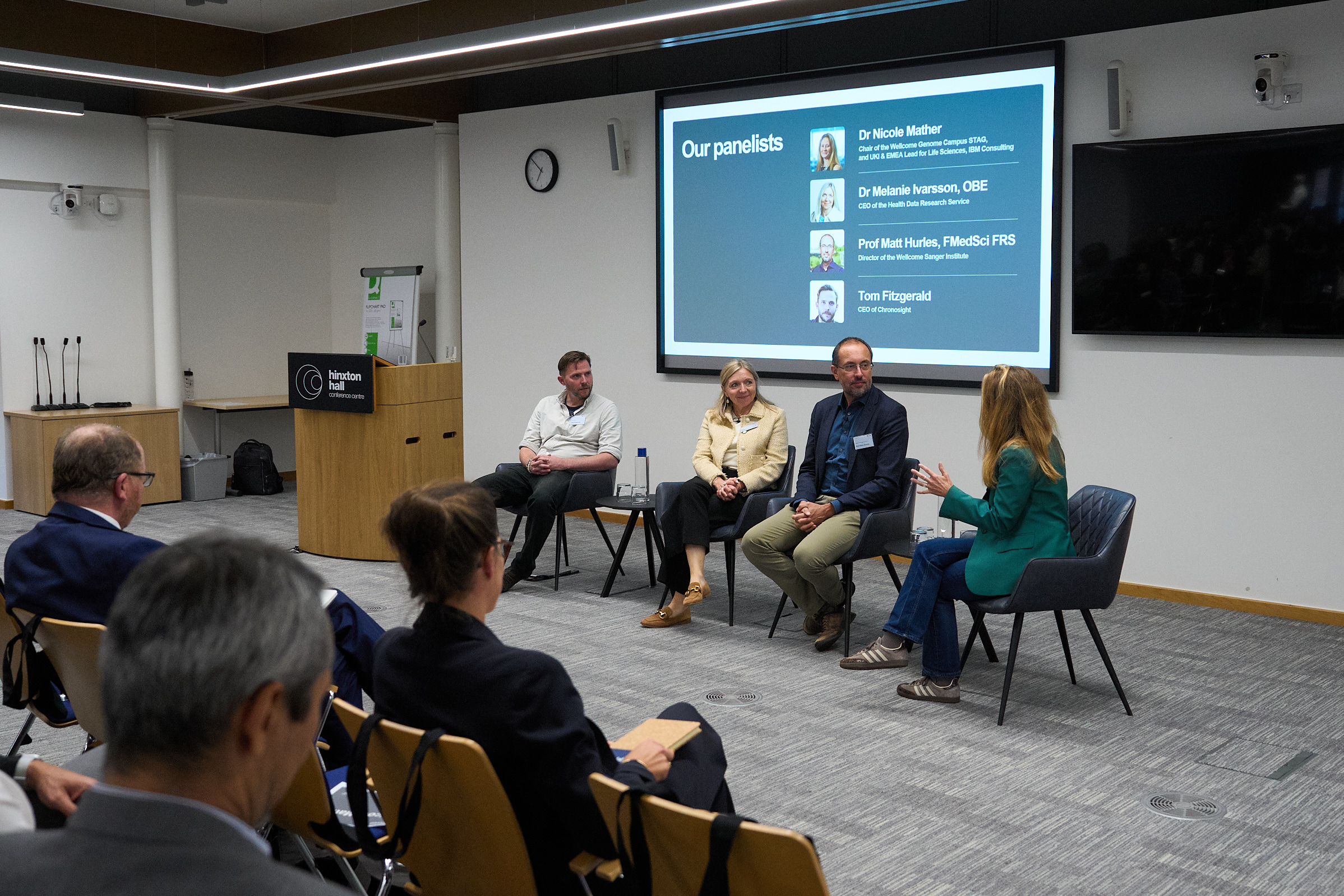
A panel chaired by Dr Nicole Mather, Chair of the Campus Science and Technology Advisory Group, brought together Prof Matt Hurles, Director of the Wellcome Sanger Institute; Dr Melanie Ivarsson OBE, CEO of HDRS; and Tom Fitzgerald, founder and CEO of Chronosight.
The discussion ranged from genomics and health data to entrepreneurship, talent and the rapidly changing role of AI.
A recurring theme was the importance of proximity. The value of being here is not simply access to buildings or datasets; it is access to the people who understand them.
Matt described the advantage rather memorably: when you have a problem on this Campus, you can almost “throw a stone and hit five world experts.”
That concentration of expertise becomes increasingly important as AI changes the way science is done. The panel explored the growing overlap between biology and technology, with Nicole predicting that future Campus occupiers could increasingly include major technology organisations as well as traditional bioscience companies.
Building an ecosystem, not simply buildings
Perhaps the clearest message from the evening was that the opportunity at Wellcome Genome Campus is about what happens between organisations.
Research, health data, AI, entrepreneurship, talent and investment are increasingly interconnected. The aim of the Campus expansion is to make those connections easier – creating an environment where established organisations, startups and new partners can work alongside one another and move ideas more quickly towards real-world impact.
As Matt said at the end of the discussion, the ambition is for Wellcome Genome Campus to become a genuinely vibrant global ecosystem where small companies, large companies and research organisations work together – and where companies want to relocate, talent wants to come and investors want to invest.
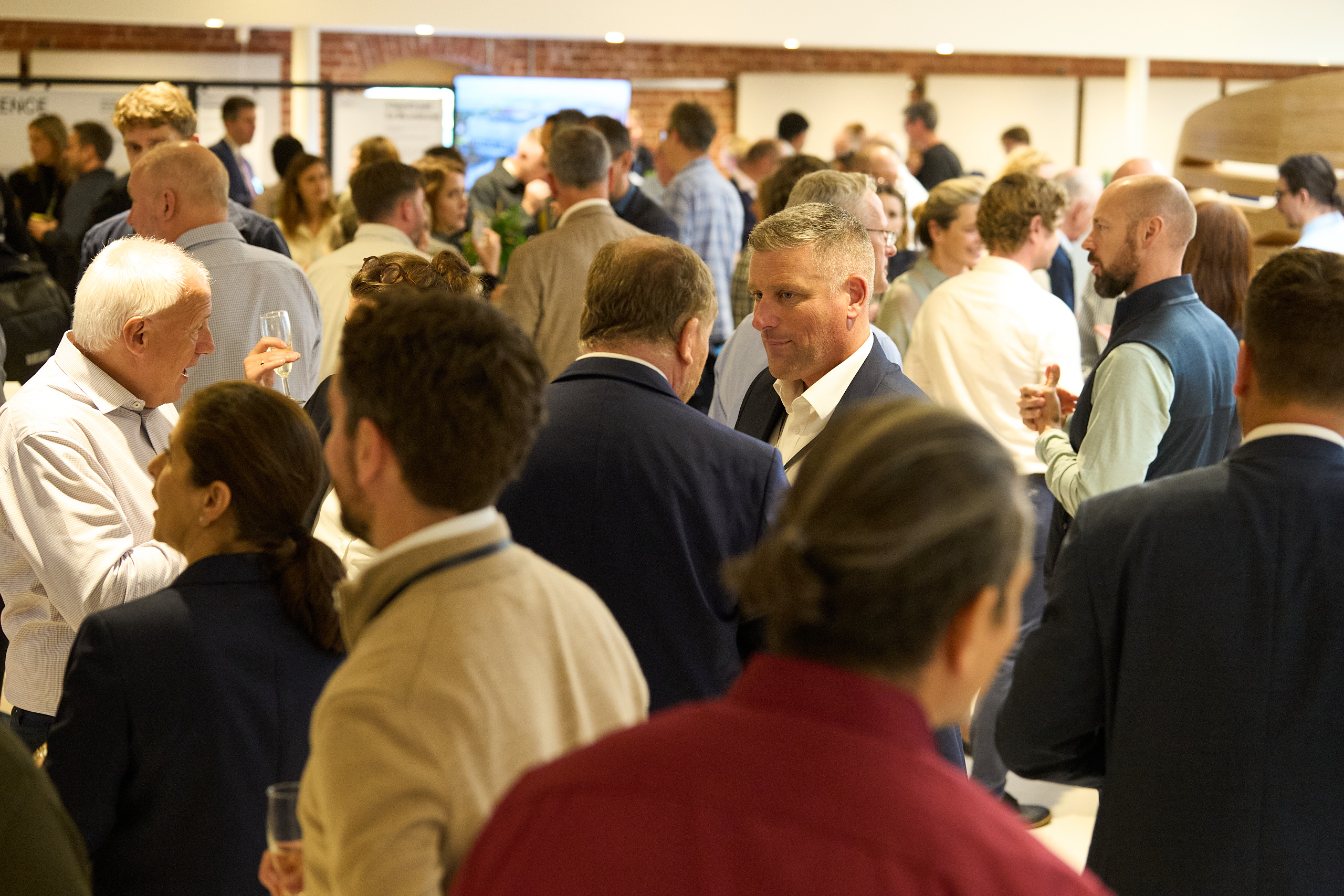
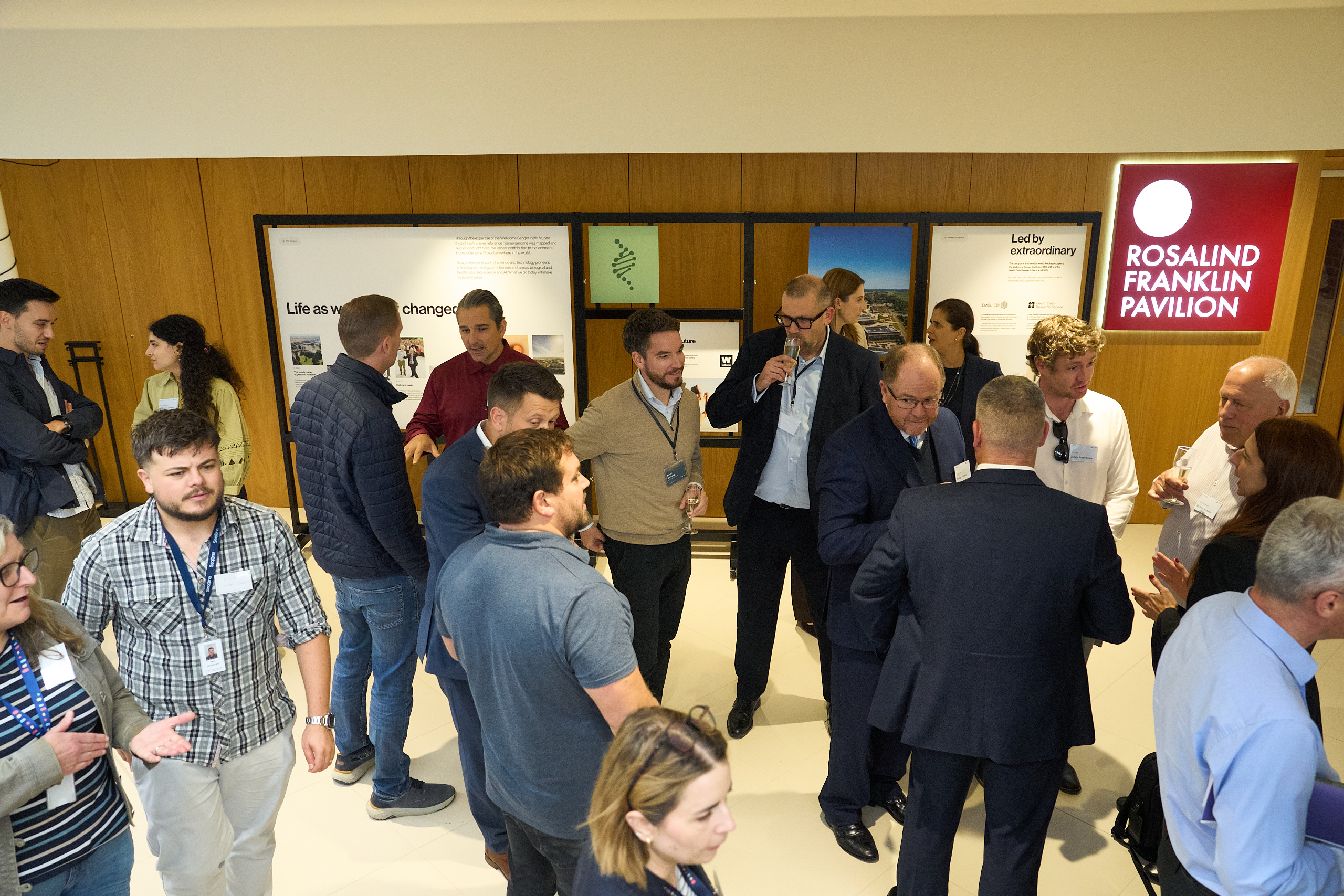
Thank you to everyone who joined us and contributed to such a brilliant evening.
If you missed the event – or came along and would like to continue the conversation – we’d love to welcome you back to the Campus, show you what is taking shape and talk about the opportunities within The Sequence.