Royal honours
Damehoods awarded to Dame Janet Thornton and Dame Bridget Ogilvie, and Knighthoods awarded to Sir John Sulston and Sir Mike Stratton.
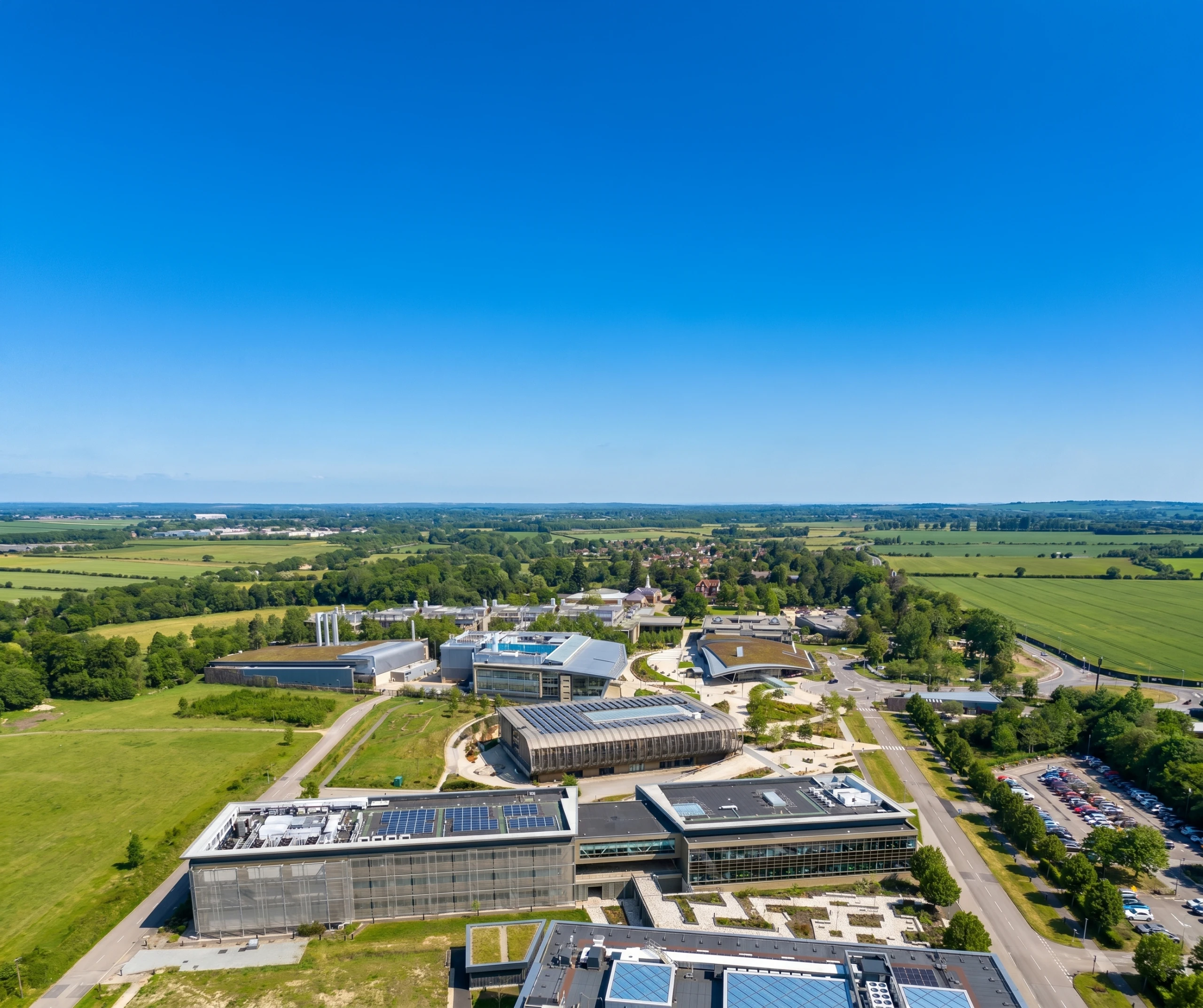
Opened in 1992, this is a campus shaped by the restless pursuit of progress.
The story begins with the Human Genome Project, a global collaboration to sequence the first ‘reference’ human genome.
Through the expertise of our anchor occupier, the Wellcome Sanger Institute, one third of the human genome was sequenced here – the largest contribution to the project anywhere in the world.
Since then, the discoveries and breakthroughs have continued, with the campus pioneering the research and translation that shapes health and care.
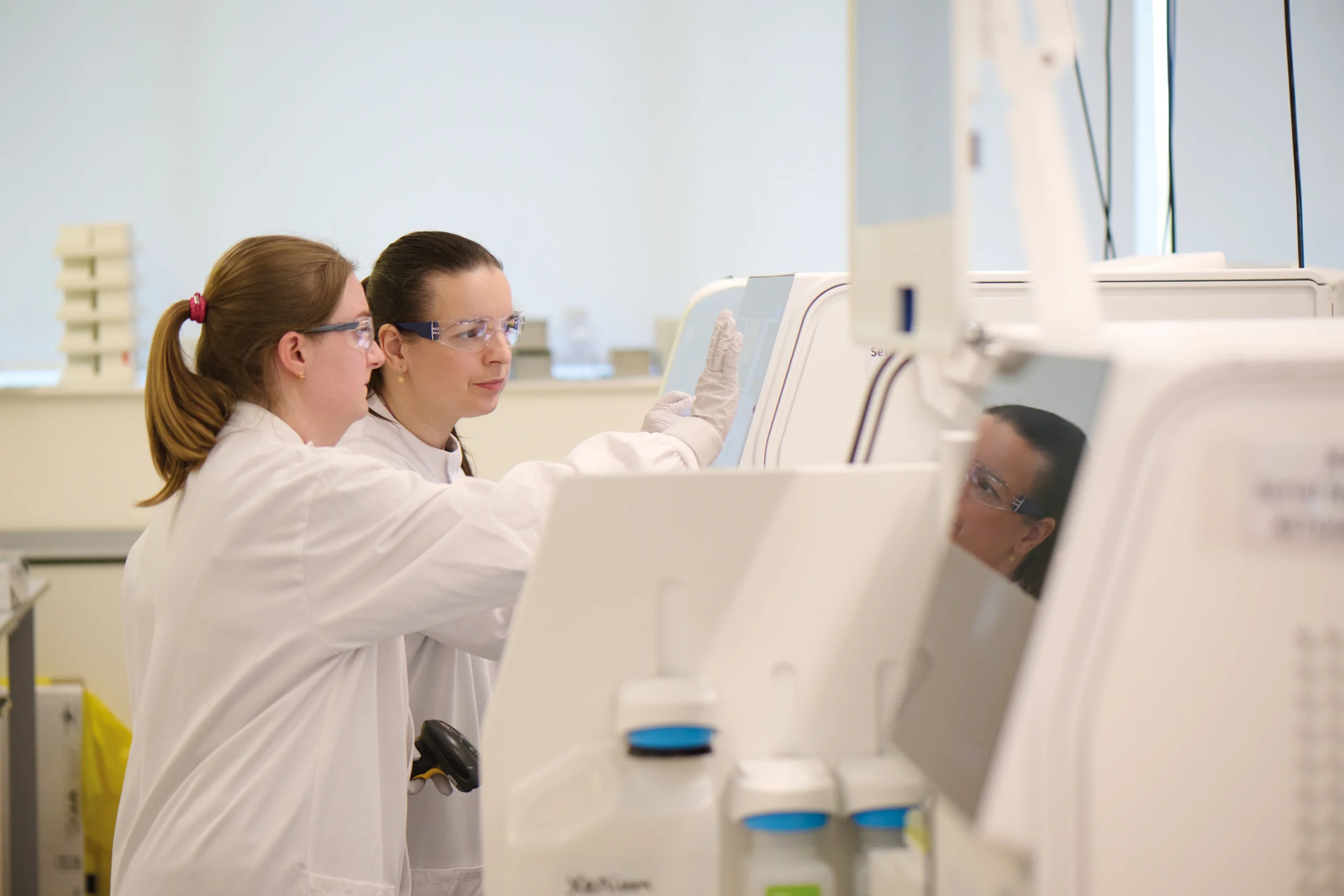
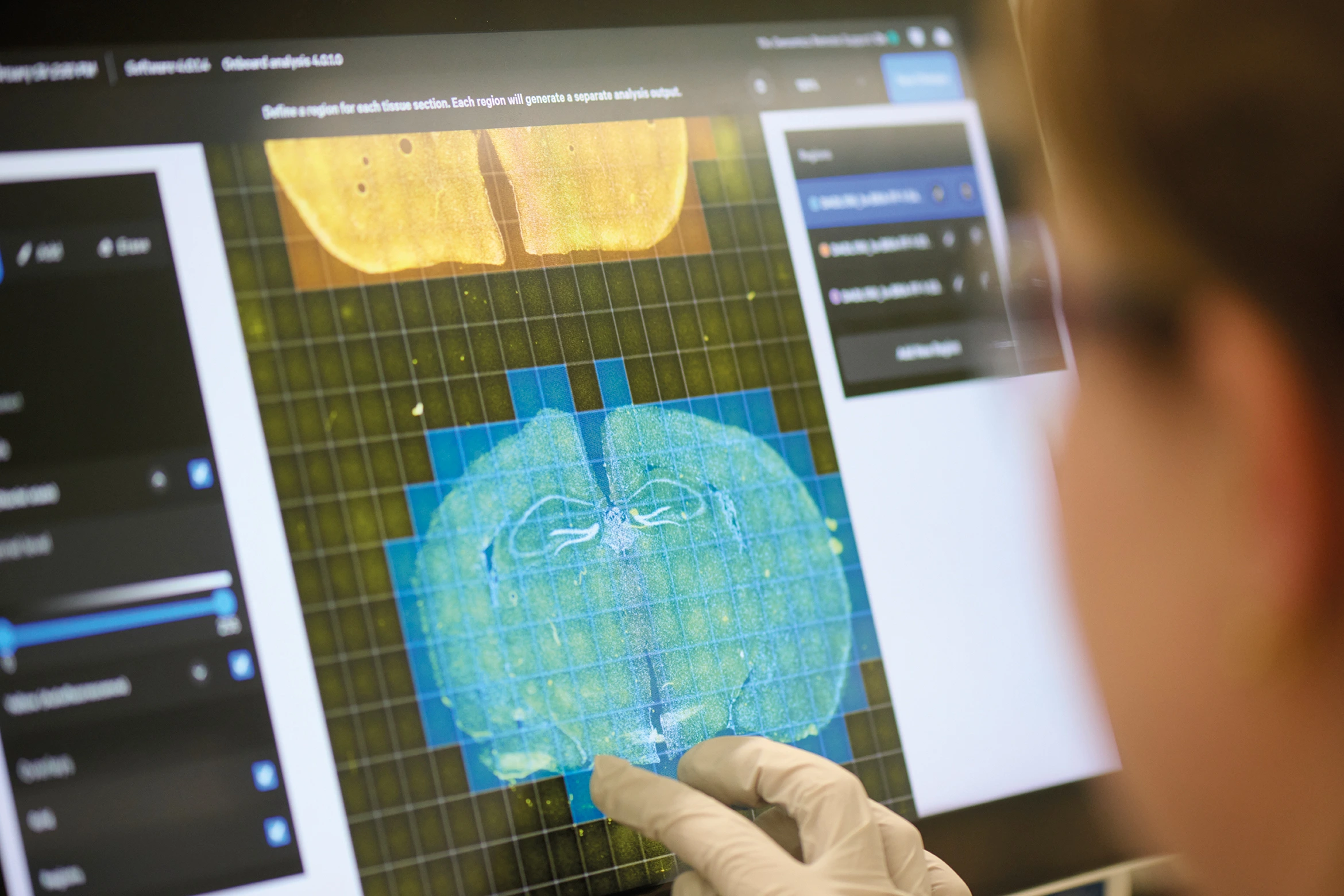
Named after a double Nobel Laureate, The Wellcome Sanger Institute is a British non-profit genomics and genetics research institute that transformed science forever.
Celebrated for pioneering high-throughput sequencing, the Institute spearheads bold projects in human, pathogen and cellular evolution, as well as genome variation. The institute conducts research that shapes global research policies.
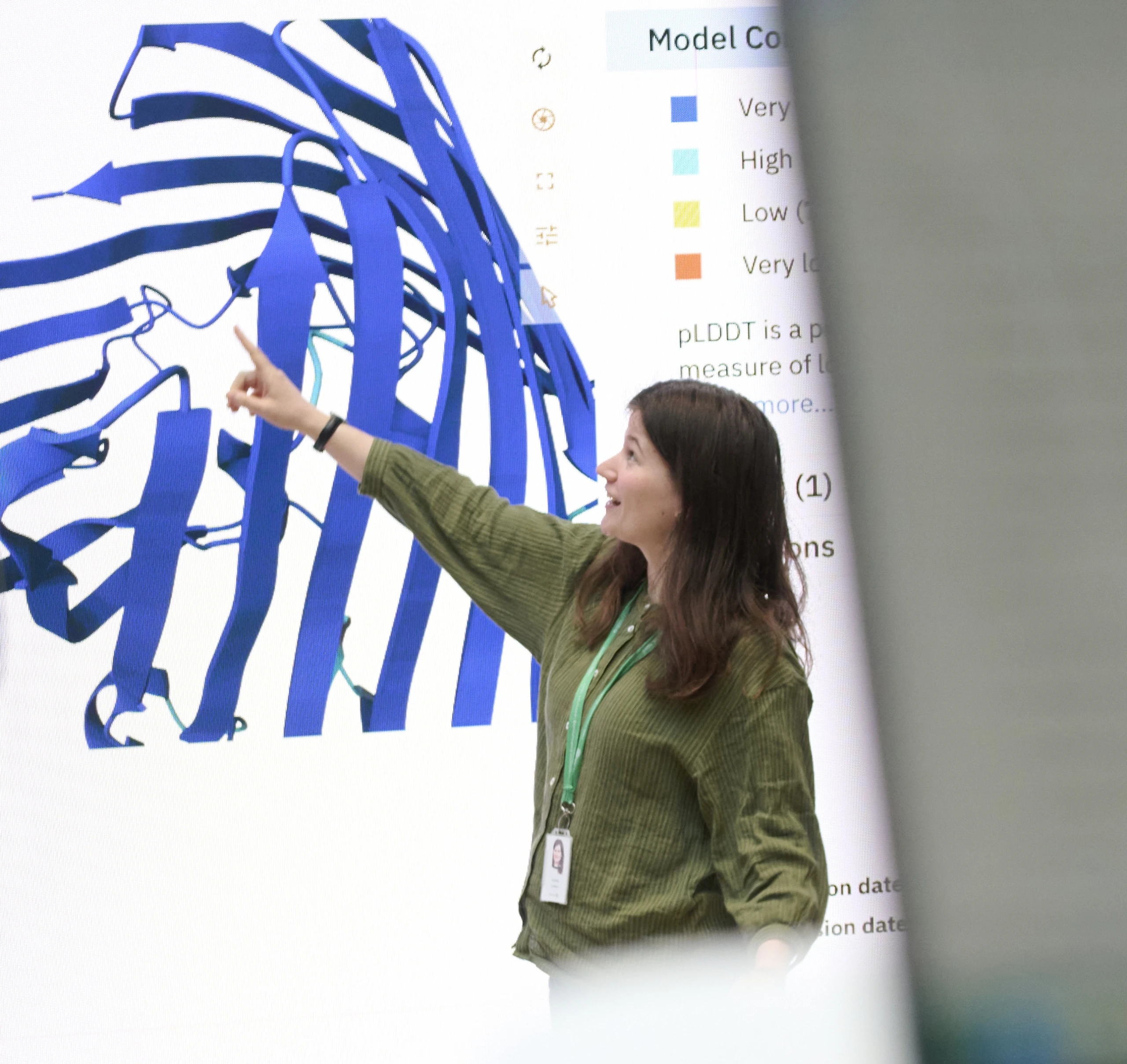
The European Bioinformatics Institute (EMBL-EBI) is one of the six sites of EMBL, a renowned intergovernmental organisation tackling the world’s most pressing challenges through the power of molecular biology.
Operating the world’s most advanced molecular data resources, EMBL-EBI makes its data and expertise freely available to researchers, powering 100,000 scientific publications and breakthroughs that are saving and improving lives.
EMBL-EBI is the bedrock of global biological data and the centre for computational biology.
A new flagship national data infrastructure will help researchers make discoveries to improve health. Backed by £100 million from the Wellcome Trust and up to £500 million from the UK Government, the Health Data Research Service will provide a single, secure method for researchers to access and analyse different datasets.
Available from late 2026, the service will accelerate the development of diagnostics, life-saving treatments and advances in prevention. Creating this world-leading research service will strengthen the UK’s position as a hub for scientific innovation and health data research and attract investment.
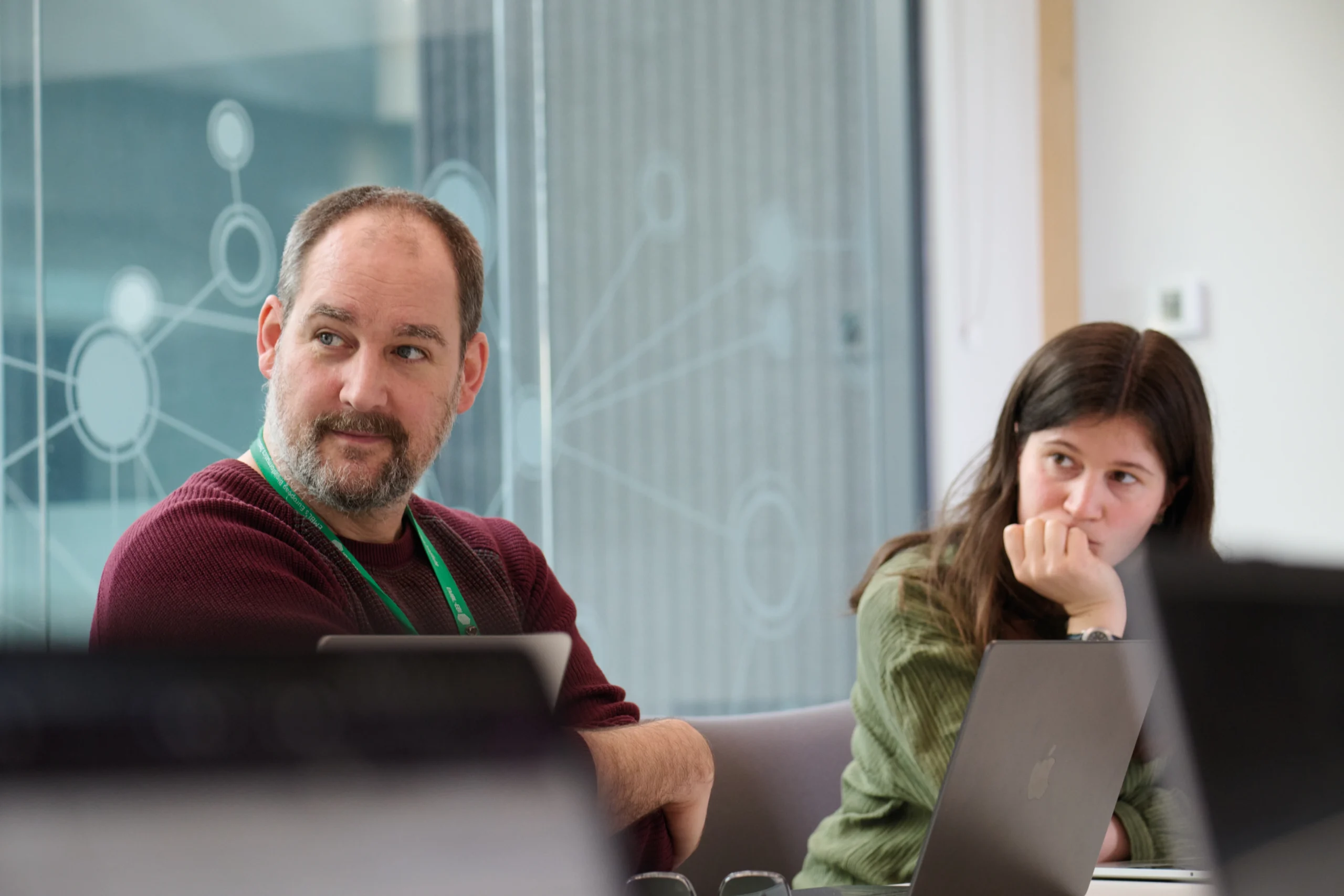
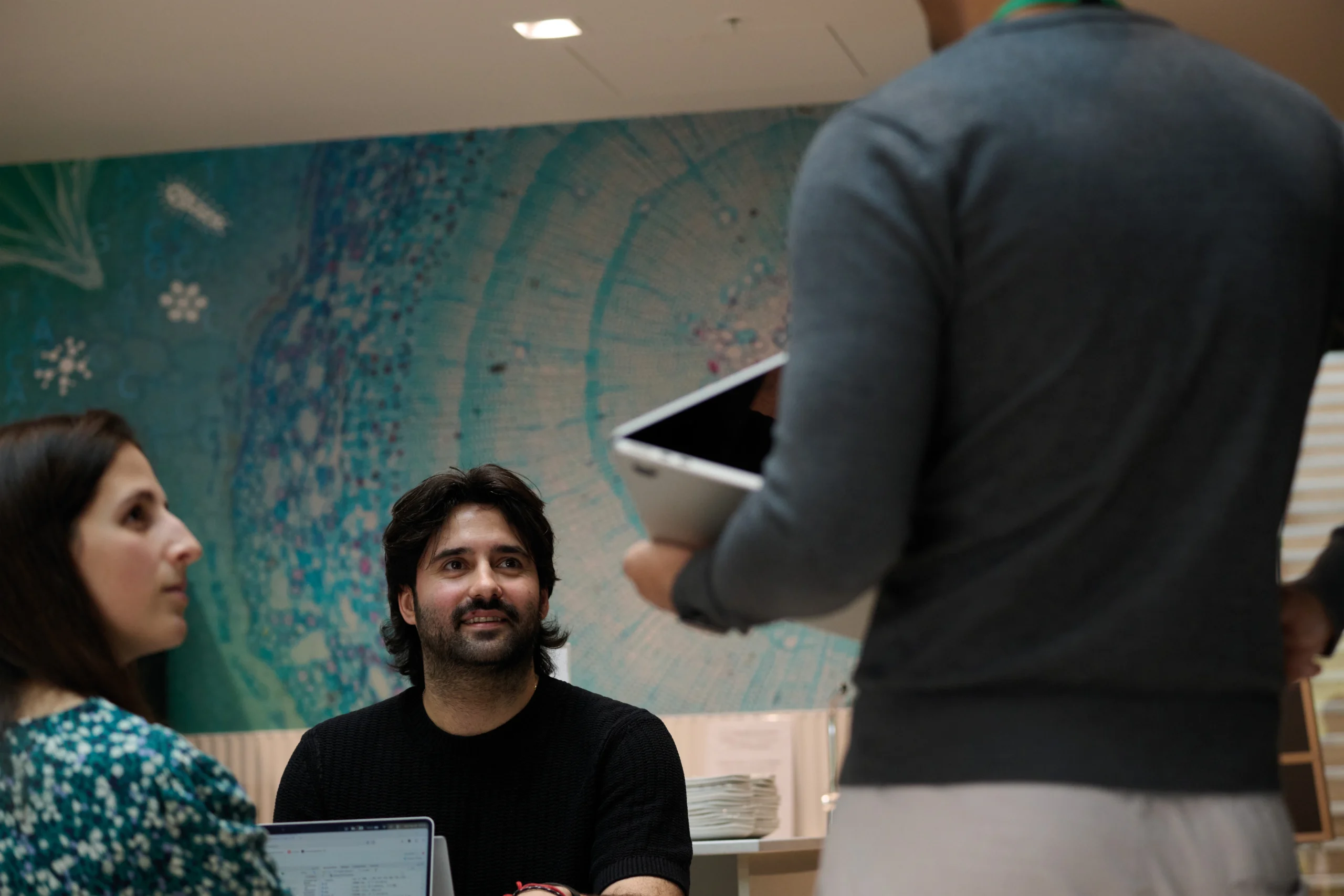
Our ecosystem and community, proximity to powerful data, inviting communal spaces and convening function, with a calendar of high-profile conferences, brings people together to collaborate on research, technology and translation.
The occupiers we have on-site range from high-growth start-ups to established global organisations, and are integral to prominent scientific and technology clusters, connected to specialist investors and commercial partners across the UK and internationally.
It brings together scientists, founders and companies working on similar challenges, making it easier to find the right partners, talent and commercial opportunities across omics and big data.